Guide to Renting Your First Apartment in Toronto | SettleFast.ca
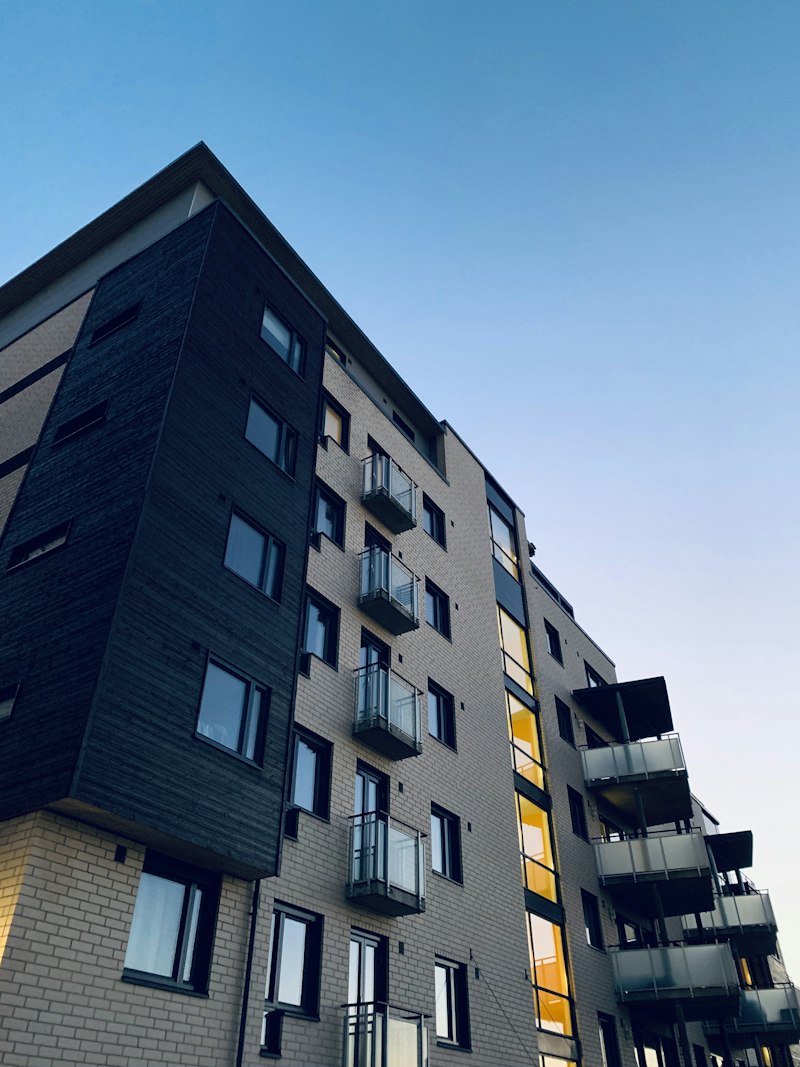
Welcome to Toronto: Your First Apartment Adventure!
Welcome to Canada! Toronto, a vibrant and diverse city, is an exciting place to start your new life. One of the first major steps you'll take is finding your very first Canadian home. Renting an apartment might seem daunting, especially in a new country and a bustling market like Toronto. But don't worry, SettleFast.ca is here to make this process smoother and less stressful for all newcomers. This guide will walk you through everything you need to know, from understanding the rental market to signing your lease.
Understanding Toronto's Rental Market
Toronto boasts one of the most dynamic rental markets in Canada. It's known for being competitive, with high demand often outstripping supply, especially in popular neighbourhoods. Understanding key terms and market conditions is crucial.
- Average Rent Prices: These fluctuate based on size, location, and amenities. Websites like Rentals.ca or zumper.com often publish monthly reports on average rents. For example, a one-bedroom apartment downtown can range significantly from suburban areas.
- Market Trends: Be aware of seasonality. Rental prices can sometimes increase during peak moving seasons (summer months).
- Neighbourhoods: Toronto is a city of neighbourhoods, each with its unique character, price point, and commute times. Research areas like the Annex, Downtown Core, Midtown, or consider more affordable options in areas like Etobicoke or Scarborough.
Where to Find Apartments for Rent
Finding listings is easier than ever with online platforms. However, be cautious of scams and always try to view a property in person or have a trusted friend/agent see it for you.
Online Listing Websites:
- Apartment listing sites: Rentals.ca, Zumper, PadMapper, Kijiji (use caution), and Realtor.com (often lists rentals too).
- Property Management Companies: Many large buildings are managed by specific companies. Check their websites directly for available units. Examples include RIOCan REIT or Starlight Investments.
- Social Media Groups: Facebook groups dedicated to Toronto housing or newcomer resources can sometimes have listings.
Working with a Real Estate Agent:
If you find the process overwhelming, consider hiring a real estate agent who specializes in rentals. They can help you find suitable properties and navigate the application process. In Ontario, their services are typically free for renters, as they are paid a commission by the landlord.
The Rental Application Process
Once you find a place you like, you'll need to submit a rental application. Landlords want to ensure you're a reliable tenant. Be prepared to provide the following:
Required Documentation:
- Proof of Income: This is crucial. If you are newly arrived and don't have Canadian credit history or employment yet, this can be challenging. Options include:
- Letter of Employment: From your new Canadian employer stating your position, salary, and start date.
- Bank Statements: Showing sufficient funds to cover rent for a period.
- Sponsorship Letter: If you are being sponsored by a family member or organization.
- Contract Letter: For freelance or contract workers.
- Credit Check: Landlords often run a credit check. If you have no Canadian credit history, consider getting a credit report from Equifax or TransUnion if you have any international credit history you can port, or build credit by opening Canadian bank accounts and credit cards.
- References: Previous landlord references (if applicable) or personal references.
- Identification: Government-issued photo ID (e.g., driver's license, passport).
Special Considerations for Newcomers:
Navigating the credit check can be tough. Some landlords are understanding of newcomers and may request alternative forms of security, such as:
- Post-dated cheques: For the duration of the lease (often a year).
- Rent Guarantee: A third party or family member co-signing the lease.
- Larger Security Deposit: While technically illegal in Ontario (landlords can only ask for the last month's rent deposit), some may try to negotiate this. Know your rights.
Look into programs like Achēv or ISANS (Immigrant Services Association of Nova Scotia - for regional example) which often have resources or settlement workers who can assist with financial planning and building credit.
Understanding Your Lease Agreement (Ontario Tenancy Agreement)
The lease (or Tenancy Agreement) is a legally binding contract. In Ontario, the standard lease is on a form called the Standard Form of Lease (Form 100). It's vital to read and understand every clause before signing.
Key Lease Terms to Understand:
- Lease Term: Usually one year, after which it becomes month-to-month.
- Rent Amount and Due Date: Clearly stated.
- Utilities: Which utilities (heat, water, electricity, internet) are included in the rent?
- Maintenance and Repairs: Who is responsible for what?
- Rules and Regulations: Pet policies, smoking rules, quiet hours.
Legal Aid Ontario provides extensive resources on tenant rights and obligations. Familiarize yourself with the Residential Tenancies Act (RTA). This act protects tenants' rights regarding rent increases, eviction, and maintenance standards.
Moving In and Tenant Rights
Congratulations, you've signed your lease! Now comes the move-in process and understanding your rights as a tenant.
Tenant Rights in Ontario:
- Rent Increases: Landlords can only increase rent once every 12 months, and usually must provide 90 days' written notice using the proper form (N1). There's an annual guideline set by the Ontario government for allowable rent increases.
- Maintenance: Landlords must maintain the property in a good state of repair and comply with health, safety, housing, and maintenance standards.
- Eviction: Landlords can only evict tenants for specific legal reasons outlined in the RTA.
- Privacy: Landlords must provide 24 hours written notice before entering your unit, unless it's an emergency.
The Landlord and Tenant Board (LTB) is the government body that handles disputes between landlords and tenants. Familiarize yourself with their website for forms and information.
Budgeting for Your First Apartment
Renting an apartment involves more than just the monthly rent. Create a budget to ensure you can comfortably afford your new home.
Common Costs to Consider:
- First and Last Month's Rent: This is a common requirement for the security deposit in Ontario.
- Utilities: Electricity, gas, water, internet, cable TV.
- Tenant Insurance: Highly recommended to protect your belongings.
- Moving Costs: Truck rental, movers, boxes.
- Furnishings: If the apartment is unfurnished.
- Application Fees: While rare, some might charge a nominal fee for credit checks.
Consider resources from settlement agencies like Cost of Living Toronto reports or use online budgeting tools to help you plan.
FAQs
What is the typical lease length in Ontario?
In Ontario, the most common lease term is one year. After the initial year, the lease automatically renews on a month-to-month basis unless a new lease is signed or notice is given.
Can a landlord charge me for a credit check?
In Ontario, landlords cannot charge a prospective tenant for a credit check or any other expense related to processing an application. They must bear these costs themselves.
What should I do if my landlord doesn't make repairs?
If your landlord fails to make necessary repairs after you've notified them in writing, you can file an application with the Landlord and Tenant Board (LTB) for maintenance and repair issues.
Do I need to pay for utilities in Toronto?
It depends on your lease agreement. Some leases include utilities like heat and water, while others require tenants to pay for them separately (e.g., hydro, gas). Always clarify this before signing.
Where can I find help if I have a dispute with my landlord?
The Landlord and Tenant Board (LTB) is the primary body for resolving landlord-tenant disputes in Ontario. You can also seek advice from Legal Aid Ontario or community legal clinics.
Conclusion: Your New Chapter in Toronto Awaits!
Renting your first apartment in Toronto is a significant milestone for any newcomer. While the process can seem complex, with careful research, preparedness, and understanding your rights, you can secure a wonderful home. Use the resources available, be persistent, and don't hesitate to ask for help from settlement agencies or housing support services. SettleFast.ca is dedicated to helping you navigate your Canadian journey. Start exploring Toronto's diverse neighbourhoods and get ready to make your new apartment a true home!
Ready to find your perfect place? Visit SettleFast.ca for more resources and tips to help you settle in Canada with confidence!